
Top of funnel · Reviewed May 8, 2026
Are massage chairs good for you? An honest 2026 answer.
Short answer: comfort, yes. Treatment, no. Massage chairs can reduce daily muscular tension, support post-sit decompression, and add quality-of-life value at the right price band. Clinical relief is a different question and the evidence is limited. We treat the chair as a comfort device — and we surface the contraindications most listicles skip.
Comfort, not treatment. We don't make medical claims. Talk to a clinician about pain, mobility, or any chronic condition.
If you're convinced comfort is enough, here's where most buyers start
Verified specs · no medical claims attached
- 1
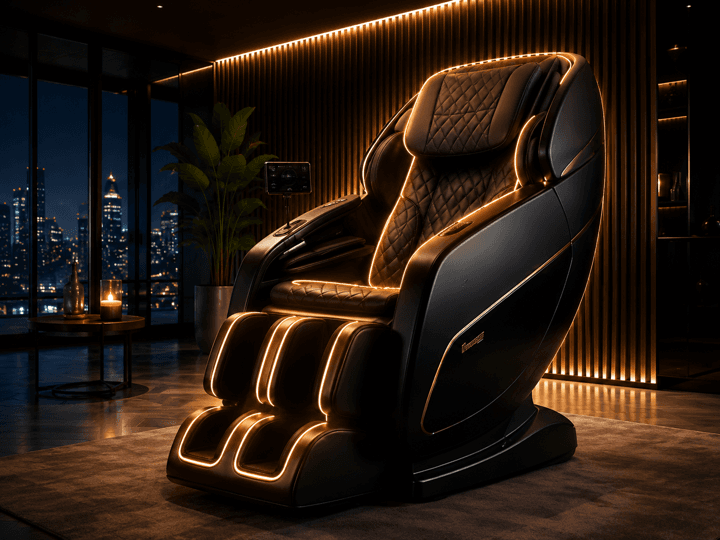 Osaki OS-Pro Maestro LE$8.5k–$9.0kFits 6'7" · weight limit 260 lb · 5 yr: 3 service, 2 parts
4D SL-track flagship with heated rollers; tall-fit fields still need source reconciliation
- 2
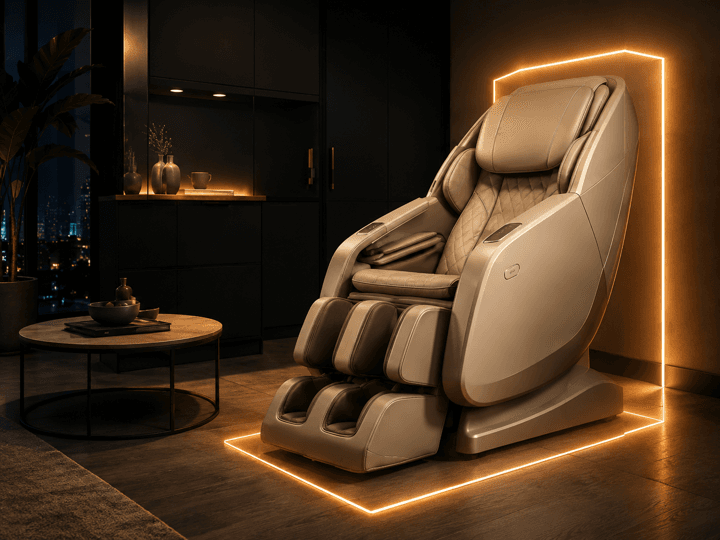 Human Touch Super Novo X$15.5k–$16.0kFits 6'4" · weight limit 285 lb · 5 yr limited
Premium wall-hugger with official 2" rear clearance
- 3
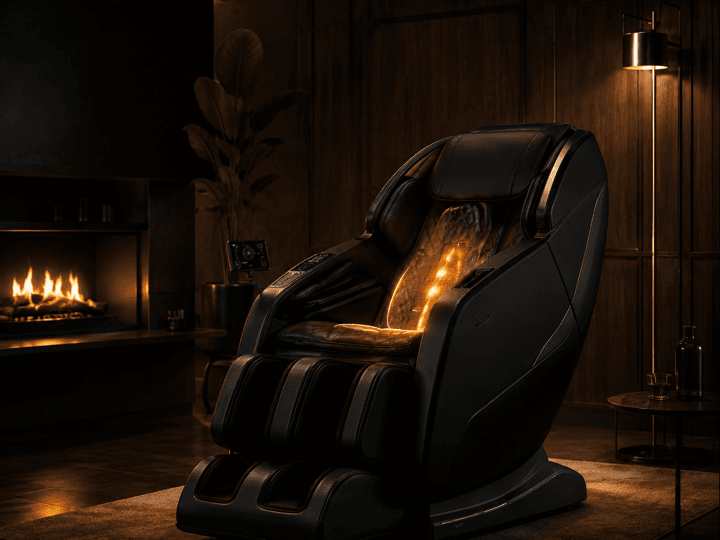 Infinity Genesis Max$12.5k–$13.0kFits 6'9" · weight limit 300 lb · 5 yr limited
Premium 4D L-track with official 2" zero-wall clearance
What we check
- ✓What the research actually says
Short-term comfort and stress reduction: supported. Specific-condition treatment: mixed. We summarize the peer-reviewed work and link the studies, not the marketing.
- ✓Contraindications surfaced
Pacemakers, recent surgery, severe osteoporosis, pregnancy, DVT history. Manufacturer manuals address these; most listicles don't.
- ✓Daily-use guidance
3–4 sessions per week, 15–20 minutes each. Start short and lower-intensity. Where overuse complaints appear in buyer reports, we surface them.
- ✓When to talk to a clinician first
Persistent or radiating pain, mobility limitations, post-injury recovery, or any chronic condition. The chair is comfort, not diagnosis.
Frequently asked
Are massage chairs scientifically proven to help?+
Limited evidence supports short-term comfort and stress reduction. Clinical evidence for treating specific conditions (chronic back pain, sciatica, mobility issues) is mixed and study quality varies. Most peer-reviewed work treats massage chairs as a comfort device, not a treatment device. If you're shopping for treatment, talk to a clinician — not a marketing page.
Who should not use a massage chair?+
Several groups, verified across manufacturer manuals: people with pacemakers or implanted devices, recent surgery (within 6 weeks), severe osteoporosis or recent fractures, pregnancy (especially first trimester — most manuals contraindicate use entirely), uncontrolled hypertension, deep vein thrombosis history. This isn't an exhaustive list. Read your specific chair's manual and talk to a clinician.
How often should you use a massage chair?+
Most manuals recommend 3–4 sessions per week, 15–20 minutes per session. Daily use is fine for many buyers; multiple sessions per day is when complaints about soreness or skin irritation start appearing in our buyer-report data. Start short and lower-intensity than you think — work up only if comfortable.
Will a massage chair help my [specific condition]?+
We don't make condition-specific claims. The PRD posture: massage chairs are comfort devices. Where comfort overlaps with a condition (chronic muscular tension, post-workout recovery, daily desk-work stiffness), buyers consistently report value. Where it overlaps with a serious medical condition, talk to a clinician before assuming benefit.
If comfort is enough, fit comes next
Find the chair that fits your body and your room.
Once you've decided comfort is the goal, the calculator filters to chairs verified for your fit profile — body, room, warranty, delivery.